
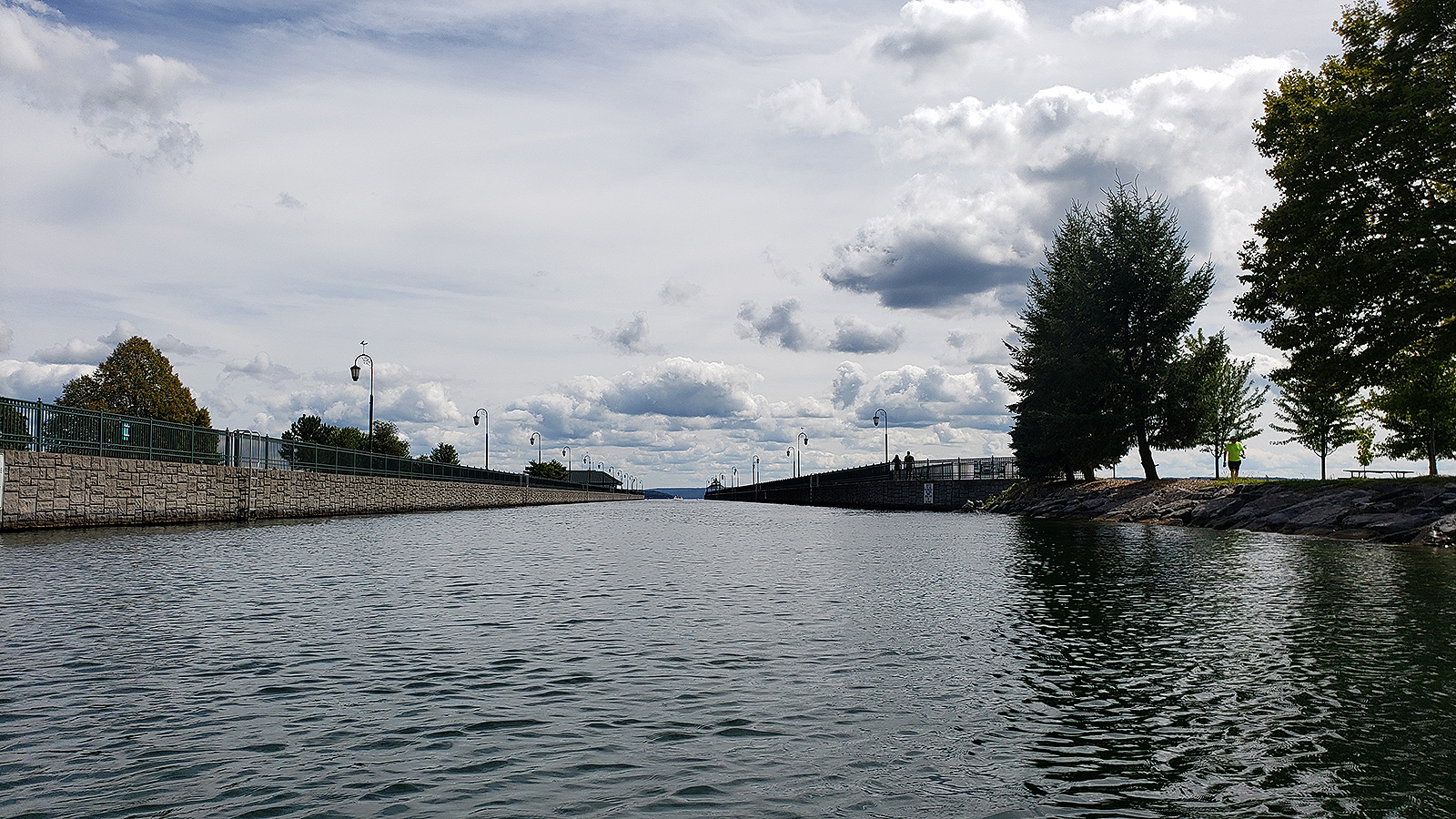
Skaneateles Lake is a long, clear Finger Lake with public access at both village and state-managed sites, but a beautiful shoreline does not make every day a beginner paddle. Choose a verified launch, build an out-and-back route into the wind, carry a U.S. Coast Guard-approved life jacket for every paddler, and turn around before whitecaps or fatigue set the schedule. The New York cold-season wear rule applies from November 1 through May 1. For photography, keep the camera simple enough that boat control always remains the first job.
Skaneateles paddling quick facts
- Waterbody
- Skaneateles Lake in the Finger Lakes
- Verified public access
- New York State DEC launch off Route 41A and additional municipal access listed by DEC
- DEC launch
- Concrete ramp, dock, seasonal portable toilet, and parking for 30 cars and trailers
- Life jackets
- One approved PFD per person; additional wear rules apply by age and season
- Main hazards
- Wind, cold water, powerboat traffic, distance from shore, and limited landing options
- Facts checked
- July 28, 2026
Which launch fits the route?
The New York State Department of Environmental Conservation lake page lists a state launch about two miles south of the Village of Skaneateles on Route 41A, with a concrete ramp and space for 30 cars and trailers. It also identifies shore access in the village and public access in Cortland County. Verify each site’s current rules and whether hand launching is allowed before carrying a kayak across a lawn, beach, or private shoreline.
For a first session, stay close to the launch and use an out-and-back course rather than chasing a distant landmark. Start into the breeze so the return receives help, but remember that wind direction can change. Mark the launch visually before leaving it, tell someone the route and return time, and keep enough reserve to handle boat wakes or a longer crossing than expected.
What life-jacket rules apply?
New York DEC’s boating-law FAQ says a Coast Guard-approved flotation device must be aboard for every person in a kayak, canoe, rowboat, or other vessel. Children under 12 must wear an approved PFD while underway. From November 1 through May 1, everyone aboard boats under 21 feet—including kayaks and canoes—must wear a life jacket while underway. Wearing it throughout the season is the simpler, safer practice.
Cold water can remain dangerous on a warm spring day. Dress for immersion, secure the phone and camera, and carry a whistle where it can be reached. A dry bag is not a rescue plan. If the forecast, water temperature, or skill level makes self-rescue doubtful, photograph from shore or book a guided outing.
How do you photograph without overloading the boat?
A phone on a short tether or one weather-sealed camera with a normal-to-short-telephoto zoom covers shoreline layers, boats, changing light, and the village profile. Keep the deck free of loose equipment and avoid lens changes on open water. Morning often provides calmer conditions, but the actual wind forecast matters more than a general rule about good light. Photograph low contrast and reflections when they appear; do not paddle farther simply to justify bringing more equipment.
How do you protect the lake?
DEC’s boating guidance tells visitors to clean, drain, and dry boats and gear to reduce the spread of aquatic invasive species. Remove plants and mud before launching and again before leaving for another waterbody. For a land-based Finger Lakes alternative, use the Auburn photo guide. For a waterfall day, compare the Ithaca waterfalls photo guide.